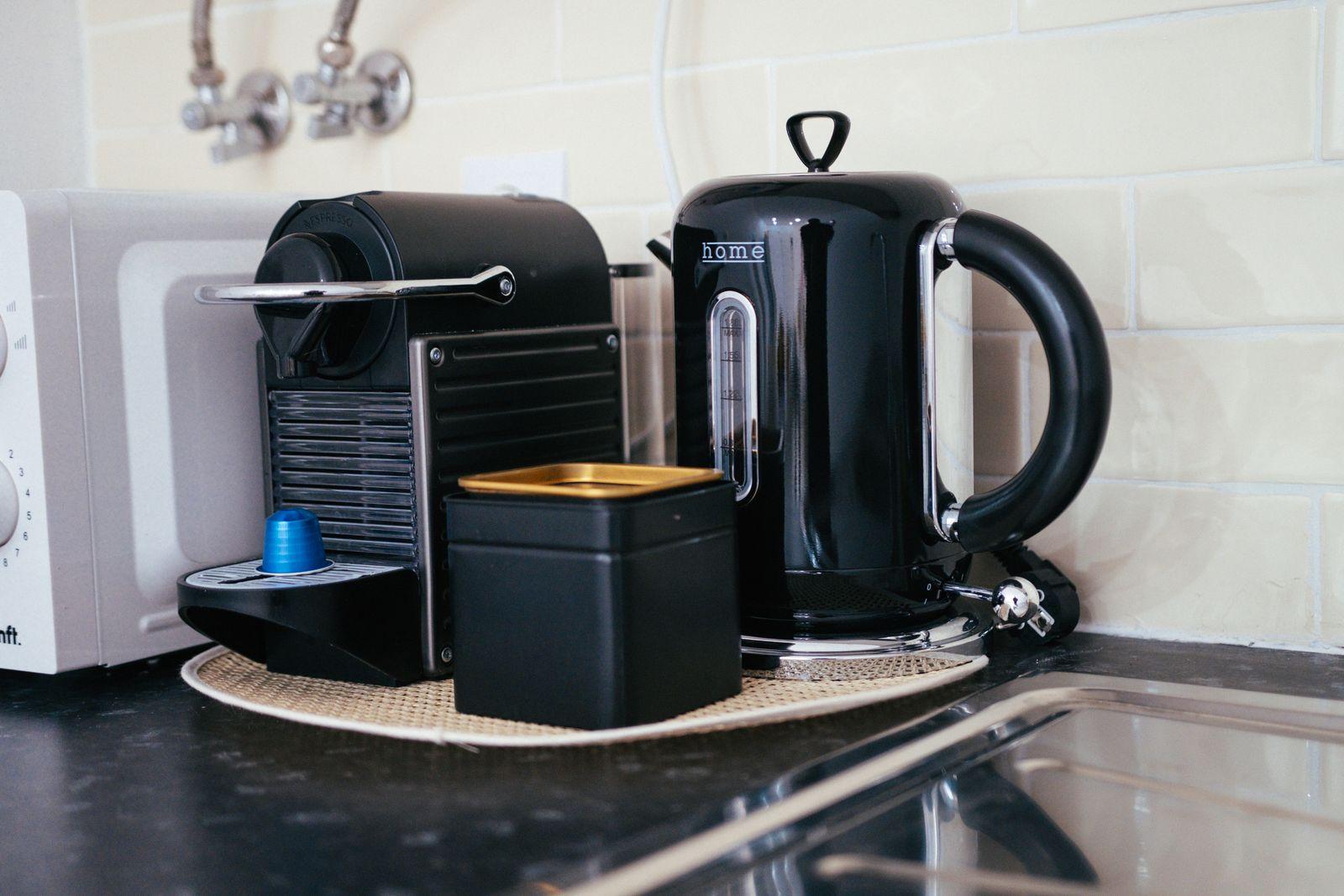
To sell small household appliances in Spain, a Chinese manufacturer needs three things: a clear channel (importer, distributor, Spanish brand buying OEM/ODM, or retail chain), a product that meets EU rules (CE marking, electrical waste and general product safety) and a credible guarantee and after-sales offer. Without all three, Spanish buyers will not start talking price.
Who buys small household appliances in Spain?
The Spanish market is concentrated in a handful of buyer types. Before sending catalogues, decide which one you are targeting, because each asks for different things:
- Importers and wholesale distributors: buy by the container, hold stock in Spain and supply independent shops, hardware stores, discount stores and online sellers. They are usually the most realistic entry point for a manufacturer without a well-known brand.
- Spanish brands sourcing OEM/ODM: design the range, put their own brand on it and look for reliable factories. They value development capability, quality control and technical documentation.
- Electronics chains, department stores and hypermarkets: buy large volumes, often for their own label, but approve few suppliers and demand audits, strict lead times and fixed logistics terms.
- Buying groups: pool independent appliance retailers and negotiate on their behalf.
- Online sellers and marketplaces: growing fast, but they usually buy from a local importer rather than straight from the factory.
A common mistake is to go straight for the big chains. With no track record in Europe, it is easier to start with importers or brands that already serve those customers and need a supplier offering better value for money.
What will buyers ask for before discussing price?
Spanish buyers check the paperwork first. If something is missing, the conversation ends there. These are the basics for a mains-powered small appliance:
- CE marking: the manufacturer carries out the conformity assessment, compiles the technical file, signs the EU declaration of conformity and affixes the marking. Small appliances are typically covered by the Low Voltage Directive (2014/35/EU, 50 to 1,000 V AC), the EMC Directive (2014/30/EU) and RoHS (2011/65/EU). If the appliance has Wi-Fi or Bluetooth, the Radio Equipment Directive (2014/53/EU) also applies.
- General product safety: Regulation (EU) 2023/988 has applied since 13 December 2024. It requires a responsible economic operator established in the EU, and online listings must show the details of the manufacturer and of that operator.
- Category-specific rules: some products are also covered by ecodesign or energy labelling regulations. Check what applies to your specific category.
- Instructions and safety warnings in Spanish, plus labelling with your contact details and traceability (model, batch).
According to the European Commission's CE marking page, the conformity assessment is the manufacturer's responsibility, while importers and distributors must check that the product complies. That is why they will ask for the EU declaration of conformity and test reports. A voluntary laboratory certificate does not replace that declaration. Vycte does not certify products: for testing and, where required, a notified body, work with an accredited laboratory.
What is WEEE and who pays for waste management?
In Spain, waste electrical and electronic equipment (WEEE, or RAEE in Spanish) is governed by Royal Decree 110/2015, as amended by Royal Decree 27/2021. Whoever places the appliance on the Spanish market as the producer must register in the electrical and electronic equipment section of the Integrated Industrial Register (RII-AEE), report the quantities sold and finance waste management, usually through an extended producer responsibility scheme.
The Spanish environment ministry's WEEE FAQs put it this way:
- If you sell to an importer or professional seller established in Spain, that buyer is the producer and takes on registration and financing.
- If you sell directly to end users in Spain at a distance (for example, through your own online shop), you are the producer and must appoint an authorised representative in Spain in writing.
- The appliance must carry the crossed-out wheelie bin symbol, and the buyer will ask you for weight and category data to declare it.
In practice, the importer will build this cost into its pricing. Factor it into your offer and provide the technical data they need from the outset.
Guarantee and after-sales: what worries Spanish buyers most?
Since 1 January 2022, the legal guarantee on new goods sold to consumers in Spain has been three years. During the first two years a defect is presumed to have existed at delivery, and manufacturers must guarantee spare parts for ten years after the product stops being made, according to Spain's Ministry of Consumer Affairs.
The consumer claims from the shop, but the shop claims from the importer and the importer from you. That is why buyers will want the following in writing:
- How defective units are handled: replacement, credit notes or a percentage of spare units in each order.
- Availability and lead time for spare parts.
- Who provides technical service in Spain and with what documentation (exploded views, repair manuals).
- Accepted defect rate and pre-shipment quality checks.
A clear after-sales proposal is often what tips the balance between two factories with similar prices.
How do you find buyers for small appliances in Spain?
- Pick a niche and a channel: for example, air fryers for importers supplying independent shops, or personal care for Spanish brands sourcing ODM.
- Prepare a dossier in Spanish: catalogue with reference prices, EU declaration of conformity, test reports, WEEE data, guarantee terms and minimum order quantity.
- Build a target account list with the names of buying or product managers, not just generic email addresses.
- Reach out on several channels (email, LinkedIn and phone) in Spanish, with a message tailored to each buyer type.
- Use trade fairs to hold meetings you have already set up, not to start from scratch.
- Follow up for several months: buying cycles at chains and brands are long.
Common mistakes: sending the same English catalogue to everyone, not having CE documentation ready, promising lead times the factory cannot meet and going quiet after the first sample order.
How Vycte helps
We help Chinese companies find customers, importers and distributors in Spain and Europe, and invoice in Spain with Holded. Our team speaks Chinese and has worked with many Chinese small appliance suppliers: through a B2B lead generation campaign (minimum 3 months) or our European market entry consultancy we reach the right buyers. If you would like to explore it, get in touch.
Frequently asked questions
Do I need a notified body for CE marking a small appliance? Not under the Low Voltage Directive: the manufacturer carries out the assessment and signs the EU declaration of conformity. Other rules, such as the Radio Equipment Directive, may require one in some cases; check with an accredited laboratory.
Do I have to register for WEEE if I sell to a Spanish importer? No: if the buyer is an importer or professional seller established in Spain, they are listed as the producer. If you sell directly to consumers at a distance, you do need an authorised representative in Spain.
Can I sell in Spain without a company there? You can sell to importers and distributors without a subsidiary. If you set up a company, use a local accountancy firm (gestoría) for registration, tax ID and tax matters; Vycte does not handle those, but can help you invoice with Holded afterwards.