To negotiate with Spanish buyers as a Chinese company, build the relationship and trust first, reply quickly with clear offers, and propose concrete terms on samples, minimum order quantity, payment and Incoterm. A Spanish buyer values a supplier who meets deadlines, explains costs without surprises and keeps one stable contact who speaks their language.
What is a Spanish buyer like, and what do they value?
According to the consultancy Balcells Group, Spanish business culture is relationship-driven: trust and personal rapport weigh more than data, and meals and face-to-face contact help close deals. Email and calls support the relationship but do not replace meeting in person.
This does not mean price is unimportant. It means that, at a similar price, the buyer will choose the supplier who makes them feel secure. Three things help a lot:
- One fixed contact who answers within hours and knows the product.
- Communication in Spanish (or fluent English) with clear documents: data sheet, price list and terms.
- Visits and trade fairs: one meeting in person is worth twenty emails. See how to choose trade fairs in Spain and Europe.
Who makes the decisions in a Spanish company?
Structures tend to be hierarchical and decisions are concentrated at senior level. Always deal with your direct contact and do not skip levels: if your contact is not the decision-maker, ask them to introduce you rather than writing behind their back. Internal meetings are often used to communicate decisions already taken, so your contact needs good arguments to defend your offer.
How should you handle samples and minimum quantities?
These are the first two friction points. Before the first meeting, decide and put in writing:
- Samples: which are free, which are charged, and whether the cost is deducted from the first order.
- Minimum order quantity (MOQ): explain what it depends on (mould, material, batch production) and whether a smaller trial order is possible.
- Offer validity: the date until which you hold the price, so you are not trapped if raw materials or exchange rates move.
A Spanish importer or distributor rarely buys without seeing the product. If you cannot accept a small order, say clearly why and offer an alternative, such as a combined order of several references.
Which payment terms and Incoterm should you propose?
Payment terms are a negotiation in themselves. Between companies in Spain, Law 3/2004 sets a general payment period of 30 calendar days and does not allow agreeing more than 60 calendar days (consolidated text in the BOE). It is a useful reference for local expectations, although each deal should be reviewed with your adviser, and in international sales the specific contract governs.
With a new customer, it is usual to start with a safer payment method (for example, a partial advance) and relax the terms as a track record builds. Explain this policy from the start as a house rule, not as distrust.
As for the Incoterm, the ICC publishes the Incoterms® 2020 rules as eleven terms that allocate costs, risks and obligations between seller and buyer, and notes that CIF is reserved for maritime trade (ICC). Always state the term with the exact port or place. If in doubt, read which Incoterm to choose when exporting and check your export price calculation before quoting a figure.
What mistakes do Asian suppliers make most often?
- Taking days to reply or not confirming that a request was received.
- Unclear offers: no Incoterm, no production lead time or no validity date.
- Promising delivery dates that are then missed: a realistic date is better than an optimistic one.
- Changing the contact person without notice, or leaving a customer unanswered after the first order.
- Ignoring the relationship: sending only catalogues and price lists, with no meetings or follow-up.
Also remember that the Spanish pace is more flexible with timekeeping: meetings may start late and run long. Use that time to get to know your customer.
How Vycte helps you
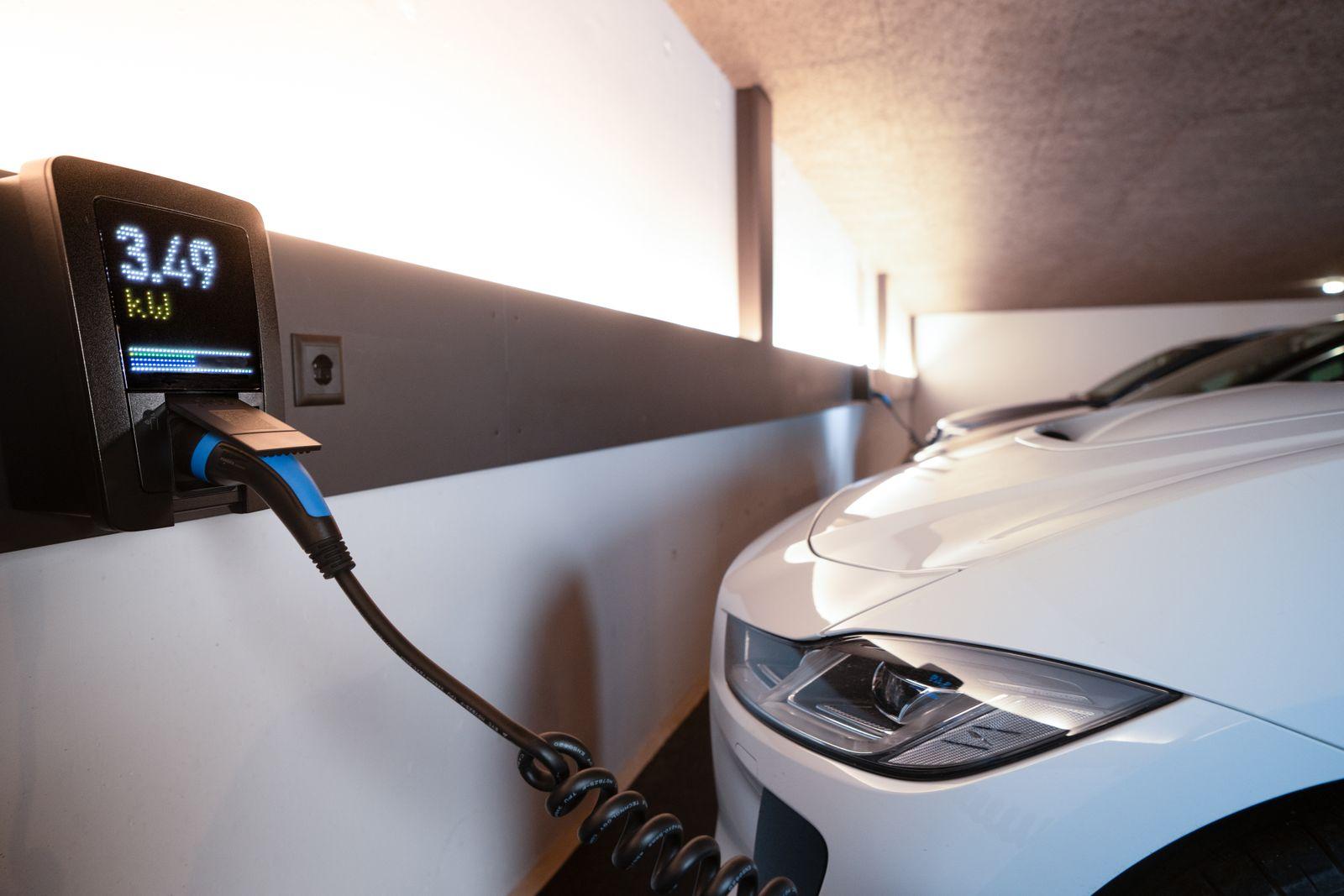
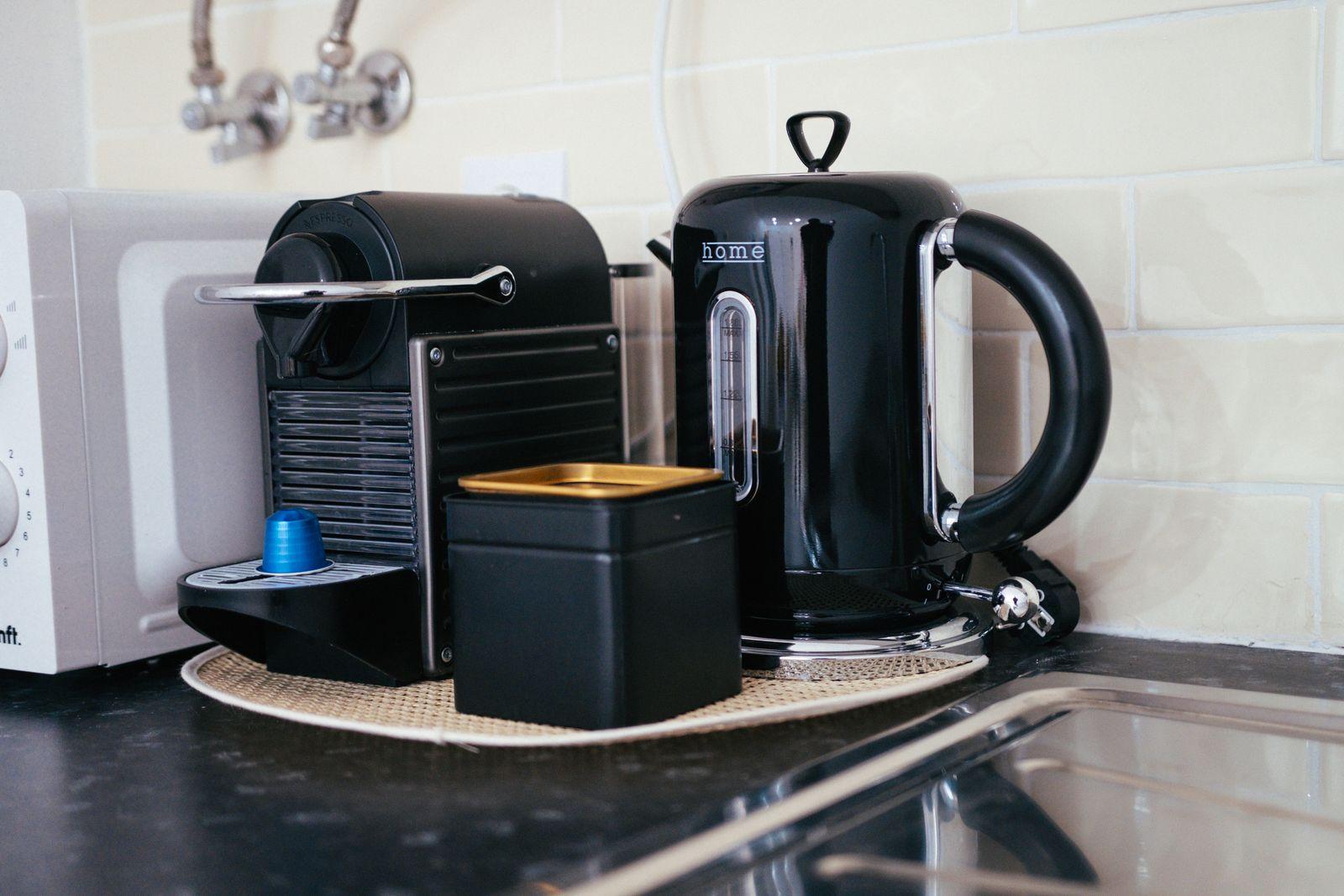
We help Chinese companies find customers, importers and distributors in Spain and Europe. Our team speaks Chinese and has worked with Chinese small-appliance suppliers and EV charger manufacturers. Learn about our European market entry service and our B2B customer acquisition campaigns (minimum 3 months). Transport and the handling of goods are for your freight forwarder.
Frequently asked questions
Do I need to speak Spanish to negotiate with Spanish buyers? It is not mandatory, but it helps enormously. A Spanish-speaking contact builds trust and avoids misunderstandings over terms and deadlines.
How long does a Spanish buyer take to decide? It depends on the product and the company. If the decision-maker is not involved in the first conversations the process gets longer, so reach that person as early as you can.
What document should I send after the first meeting? A written offer with price, Incoterm, production lead time, minimum quantity, payment terms and validity date.